At EWPR, we help food businesses in New South Wales and beyond achieve excellence in food safety. Whether you're looking to meet regulatory requirements, enhance your HACCP plan, or improve your food safety management system, our expert consultants provide tailored solutions to identify gaps and implement best practices. Complying with NSW Food Authority regulations, the Australia New Zealand Food Standards Code, and global HACCP principles, we ensure your business is not just meeting standards—but exceeding them. Protect your brand, ensure customer safety, and gain peace of mind. Contact us today for a consultation that makes a difference!
Easy Way Product Review
About Us
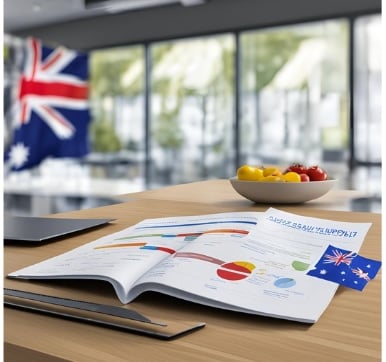
At EWPR, we are dedicated to empowering food businesses in New South Wales and beyond to achieve the highest standards of food safety and compliance. Our team of seasoned consultants specializes in identifying potential gaps within your food safety programs and providing tailored solutions to enhance your operations.
Our Expertise Includes:
Comprehensive Food Safety Audits: We conduct thorough assessments of your current food safety practices to ensure alignment with both local and international standards.
Hazard Analysis and Critical Control Points (HACCP) Plan Development and Review: Our experts assist in creating and refining HACCP plans, a systematic preventive approach to food safety that addresses physical, chemical, and biological hazards.
Regulatory Compliance Guidance: We provide up-to-date advice on relevant legislation, including the Food Act 2003 (NSW) and the Food Regulation 2015, ensuring your business meets all legal requirements.
Food Safety Training: Our training programs are designed to equip your staff with the necessary knowledge and skills to maintain high food safety standards, complying with the latest regulations.
Understanding the Regulatory Landscape:
In New South Wales, food businesses must adhere to several key regulations and standards, including:
Food Act 2003 (NSW): This act ensures that food for sale is both safe and suitable for consumption and prevents misleading conduct in connection with the sale of food.
Food Regulation 2015: Underpinning the Food Authority's regulatory work, this regulation sets minimum food safety requirements for higher-risk sectors such as meat, dairy, seafood, and plant products.
Australia New Zealand Food Standards Code: This code outlines standards for food labeling, composition, and contaminants, which are mandatory for all food businesses.
Standard 3.2.2A – Food Safety Management Tools: Effective from December 2023, this standard introduces new requirements for businesses processing and serving ready-to-eat, potentially hazardous food, including having a qualified Food Safety Supervisor and ensuring all food handlers are trained in food safety and hygiene.
By partnering with us, you can be confident that your food business will not only comply with these regulations but also foster a culture of continuous improvement in food safety practices.
Contact us today to learn how we can support your business in achieving excellence in food safety and quality assurance.
Our Services
We offer a comprehensive range of services to revitalize your bathroom. Our team can resurface bathtubs, basins, wall tiles, and more. We specialize in surface preparation for sanitary fixtures, including basins, benchtops, vanity tops, bathtubs, and wall tiles. We are equipped with advanced HVLP compressor and air/spray gun techniques to apply a new enamel finish that is durable and long-lasting. With our one-day turnaround time, you can start using your bathroom again right away. All our services come with a 7-Year Written Warranty for your peace of mind.
Bathtub Resurfacing
Tile Resurfacing
Our bathtub resurfacing service can transform your worn-out bathtub into a beautiful and functional space. We can resurface bathtubs made of cast iron, pressed steel, acrylic, or fiberglass. With our attention to detail and high-quality materials, we can repair any chips, cracks, or screw holes, and apply a new enamel finish that is mold and mildew resistant. Our tile resurfacing service can revitalize your old and dull tiles, giving your bathroom a fresh and modern look. We can resurface wall tiles of any material and apply a new enamel finish that is easy to clean and maintain.


Contact Us
Ready to transform your bathroom? Contact us today for a free quote and consultation.